
The practice
A Tbilisi practice for mill and sewing-line quality
Fabric Layerpoint began because too many quality meetings in Georgian mills were arguments about memory. The tickets were in a drawer. The inspection table had already seen the fault.
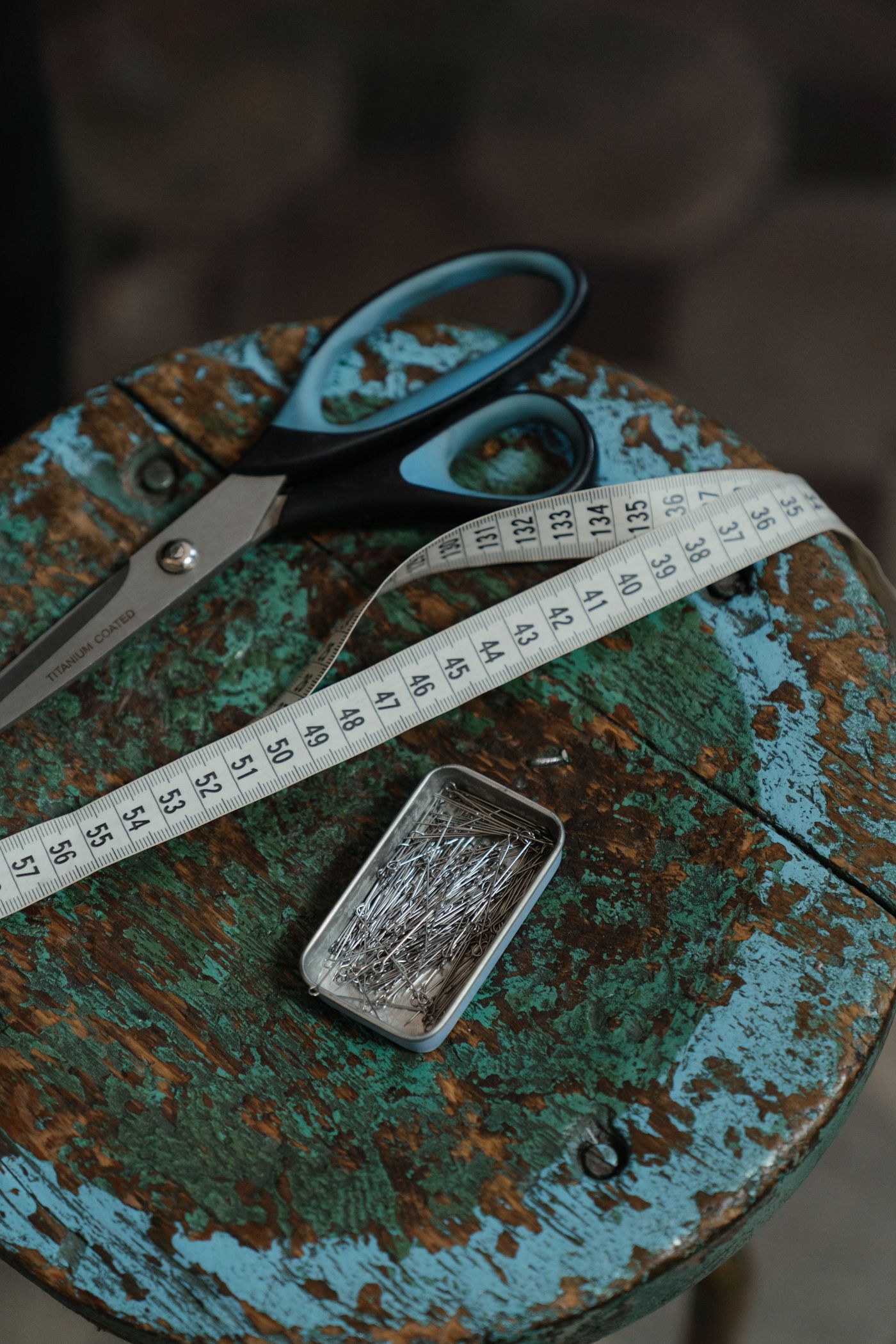
The practice
Fabric Layerpoint began because too many quality meetings in Georgian mills were arguments about memory. The tickets were in a drawer. The inspection table had already seen the fault.
The office is on Paliashvili Street because mill owners already come to Vake for other meetings. The work itself is not in Vake. It is in greige stores, on inspection tables, beside a stenter, or at a five-thread overlock that has been fighting the same waistband for a month.
Georgia’s mills and cut-and-sew halls keep records in a mixture of paper tickets, shared workbooks, and the memory of the night supervisor. Fabric Layerpoint exists to make those records speak in the same order the floor already knows. We draw the week. We do not replace the people who live with the line.
Nino left her mill post after a season in which three dye lots left the gate with a shade band the finishing supervisor had already flagged. The buyer’s letter arrived two weeks later. The tickets had been right. The meeting had not read them. She asked Giorgi, who was then a sewing quality clerk in a Tbilisi suburb, to try a two-day visit at a friend’s plant in Kutaisi. The format — floor first, records second, bound briefing last — is still the one we use.
We travel in ordinary work clothes, not visitor theatre. We stand at the inspection table during a live shift. We ask for the lots you would rather keep in the drawer. We write in English because most of the buyer letters we are asked to answer are in English; if a supervisor prefers to speak Georgian on the floor, we do.
We keep mill records only for the length of the engagement, on a written list of what left the site. Copies are returned or destroyed when the briefing is accepted. We do not sell mill names as a roster of “clients.”
Honesty about a bad lot is more useful than a calm meeting. A mild number on the wall that no one believes is worse than a harsh number everyone can check against a ticket. We will leave a plant rather than sign a briefing that hides a shade drift the buyer will see anyway.
Meetings that should not happen on the noisy side of a sewing hall can be held at Level 7, 45 Paliashvili Street, Tbilisi 0179. Telephone +995 32 555 6380. The rooms are for opening conversations and for reading a briefing with an owner who wants distance from the floor. Plant visits remain the centre of the practice.

Nino spent twelve years as a quality lead in a weaving and finishing mill east of Tbilisi. She still prefers a lot ticket to a speech.
Giorgi comes from cut-and-sew. He counts needle holes, seam pucker, and the repair bundles that never enter the weekly yield.
Tamar reads GSM, shade bands, and the greige store. If the lot should have been held at the gate, she will say so before the cutting room opens it.